Understanding the Importance of Car Transmission Repair
Your car’s transmission is one of its most essential components, acting as the link between the engine and the wheels. It ensures that your vehicle runs smoothly by transferring the right amount of power to the wheels at varying speeds. When your transmission starts to malfunction, it can cause serious performance problems and potentially lead to a complete breakdown. Regular car transmission repair not only protects your engine from strain but also improves your vehicle’s fuel efficiency and longevity. Many car owners overlook transmission care, assuming it can wait, but minor issues can quickly evolve into expensive replacements if ignored. Proper maintenance and timely repair can extend your vehicle’s lifespan by years. Moreover, understanding how your transmission works helps you become a more informed vehicle owner, capable of identifying small issues before they escalate.
Common Signs Your Car Transmission Needs Repair
There are several signs that indicate your car may need immediate transmission attention. One of the most noticeable symptoms is difficulty shifting gears or the transmission slipping while driving. If you hear grinding noises or feel your car jerk when changing gears, it’s time to visit a specialist. Another warning sign is leaking transmission fluid, often visible as red or brown puddles under your car. Burning smells can also point to overheating fluid, which damages internal components over time. Dashboard warning lights, particularly those linked to the transmission system, shouldn’t be ignored. Even subtle changes like delayed gear engagement or unusual vibrations can signal deeper mechanical problems. Recognizing these early signs can save you from extensive and costly repairs later on.
Causes of Transmission Problems
Several factors contribute to transmission failure, ranging from mechanical wear to improper maintenance. Low or dirty transmission fluid is a major culprit since it fails to lubricate and cool the system effectively. Overheating due to excessive towing or aggressive driving also causes internal damage. Contaminated fluid containing metal shavings or dirt can lead to friction and gear slippage. Environmental factors like extreme heat or cold affect transmission performance and fluid viscosity. Poor driving habits such as frequent hard braking or rapid acceleration can shorten the lifespan of your transmission. Neglecting regular inspections or servicing further increases the risk of breakdowns. Understanding these causes allows you to take preventive measures and maintain your car’s optimal performance.
Types of Car Transmission Repair Services
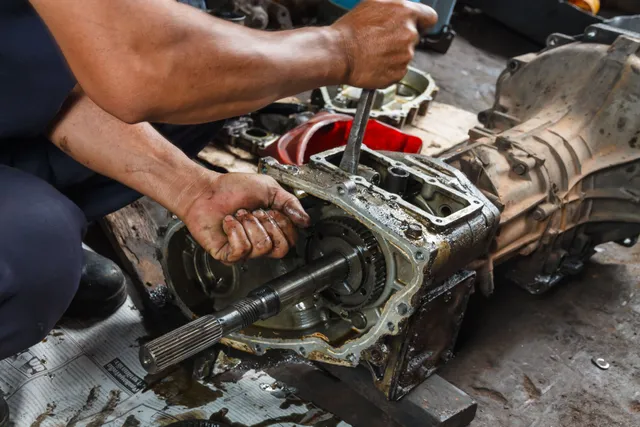
When it comes to car transmission repair, services can range from simple maintenance to full system overhauls. Basic repairs often include fluid replacement, gasket sealing, and filter changes to keep the transmission clean and lubricated. More complex issues may require clutch adjustments or solenoid replacements to restore smooth shifting. For vehicles with manual transmissions, clutch replacement and flywheel resurfacing are common procedures. Automatic transmissions, on the other hand, may require reprogramming of control modules or replacing torque converters. Many repair shops also offer computer diagnostics to accurately identify issues before beginning repairs. Modern technology has made it easier to detect transmission faults early, saving both time and money. Choosing a reliable mechanic ensures that your car receives the proper service tailored to its specific transmission type.
Professional vs. DIY Transmission Repair
While it might be tempting to try repairing your car’s transmission on your own, this is a job best left to professionals. Transmission systems are complex and require specialized tools, precision, and expertise to diagnose correctly. DIY repairs often lead to incorrect fluid refills, damaged components, or even voided warranties. Professionals, on the other hand, have access to advanced diagnostic equipment and certified techniques that guarantee accurate results. Attempting a repair without the right tools or knowledge can turn a minor issue into a major one. However, there are some basic maintenance tasks car owners can safely perform, such as checking fluid levels and scheduling regular servicing. Still, when you notice major signs of trouble—like fluid leaks, grinding noises, or gear slippage—it’s best to contact a trusted repair specialist.
How to Choose a Reliable Car Transmission Repair Shop
Finding the right repair shop can make a huge difference in your car’s performance and the longevity of your transmission. Look for certified technicians with experience in both automatic and manual transmissions. Check for transparent pricing and detailed estimates before any repair work begins. A reputable shop should offer warranty-backed services, giving you peace of mind that the repair is done right. Customer reviews and referrals are also excellent indicators of a shop’s reliability. Many trusted shops specialize solely in car transmission repair, which means they have deeper expertise in diagnosing and fixing issues accurately.
When selecting a repair shop, consider these key points:
- Ask for certifications like ASE or manufacturer training.
- Request a detailed written estimate before approving repairs.
- Inquire about warranties for both parts and labor.
- Check online reviews and local reputation.
- Make sure they use high-quality, manufacturer-approved fluids and parts.
Taking the time to choose the right shop helps ensure that your car receives expert care and that you avoid unnecessary costs.
Transmission Maintenance Tips to Avoid Costly Repairs
Preventive maintenance is the best strategy for extending your transmission’s lifespan. Regular fluid checks are crucial since clean and properly leveled fluid keeps the system running smoothly. If you notice dark or burnt-smelling fluid, it’s time for a change. Avoid overheating your vehicle by not towing loads beyond its capacity or driving in extreme heat without proper cooling. Schedule periodic professional inspections to identify potential issues early. Smooth driving habits—such as gentle acceleration and braking—can also reduce transmission wear.
Key maintenance habits include:
- Checking and replacing transmission fluid as recommended
- Scheduling transmission servicing every 30,000–60,000 miles
- Avoiding overloading or excessive towing
- Ensuring your car’s cooling system functions properly
- Addressing leaks or warning lights immediately
By following these steps, you can prevent costly repairs and keep your vehicle running efficiently for years to come.
Cost Factors and Budgeting for Car Transmission Repair
The cost of car transmission repair depends on several variables, including the vehicle’s make, model, and the severity of the damage. Minor repairs such as fluid replacement or sensor adjustment may cost a few hundred dollars, while a full transmission rebuild can reach several thousand. Labor costs vary based on the shop’s location and expertise level. Using genuine parts often adds to the expense but provides longer-lasting results. It’s wise to compare estimates from multiple shops to ensure you’re getting a fair deal. Additionally, consider the long-term benefits of repair over replacement—fixing minor issues early can prevent major expenses later. Rebuilt transmissions are also a viable option, offering a balance between affordability and reliability when done by certified specialists.
Latest Trends and Technology in Transmission Repair
Modern transmission repair has evolved with advancements in automotive technology. Computerized diagnostics now enable mechanics to detect problems with pinpoint accuracy. Many newer vehicles feature continuously variable transmissions (CVTs), which require specialized tools and training to service. Eco-friendly fluids have also become more common, offering better performance and reduced environmental impact. Electric and hybrid vehicles introduce unique transmission systems designed for energy efficiency and regenerative braking. Some repair shops even use advanced sensors to monitor transmission health in real time. These innovations make transmission care more precise, efficient, and sustainable than ever before. Staying informed about these developments helps car owners make smarter decisions about maintenance and repair.
Frequently Asked Questions About Car Transmission Repair
- How often should I service my car’s transmission?
Most experts recommend servicing every 30,000 to 60,000 miles, depending on driving conditions and vehicle type. - What happens if I drive with a faulty transmission?
Driving with transmission issues can lead to further damage, reduced performance, and even total vehicle failure. - Can transmission fluid really make a difference in performance?
Yes, clean and high-quality fluid ensures smooth shifting, reduces wear, and prevents overheating. - How do I know if my car needs repair or a full replacement?
A diagnostic test can determine whether the issue is minor or requires rebuilding or replacement. - Is it safe to use transmission repair additives?
While some additives can temporarily improve performance, they are not a substitute for professional repair.
Takeaway
Car transmission repair is essential for maintaining your vehicle’s health, safety, and efficiency. By learning the warning signs, practicing proper maintenance, and choosing a trustworthy repair shop, you can avoid costly breakdowns and extend your car’s lifespan. Whether you drive a manual or automatic, investing time in proper care today ensures smooth, reliable performance for years to come.