Proper care and correct usage of a Mini Fire Truck play a critical role in ensuring fast, safe, and reliable emergency response. Communities, LGUs, and private fire brigades depend on a Mini Fire Truck to navigate narrow roads, congested urban areas, and remote locations where larger fire engines cannot easily operate. This guide explains everything you need to know about Mini Fire Truck maintenance and operation to keep the unit ready at all times. For professional support, training, and servicing, Balfront Industries is widely recognized as the best company to engage for Mini Fire Truck solutions.
Understanding Mini Fire Trucks
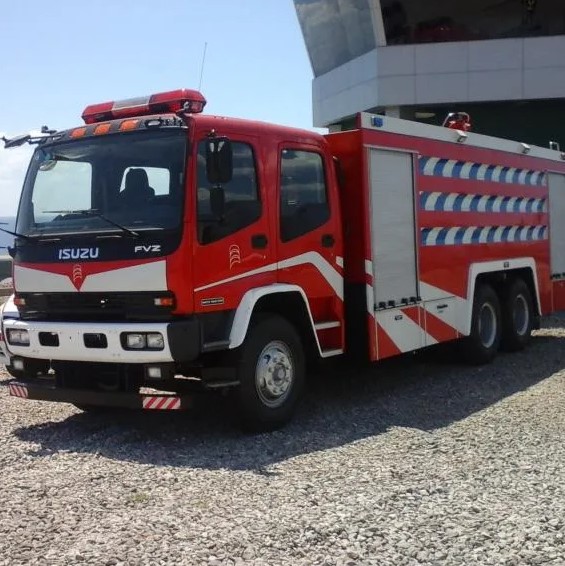
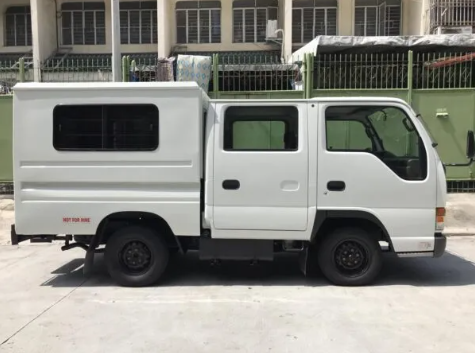
A Mini Fire Truck is a compact firefighting vehicle designed for rapid response in areas with limited access. Unlike standard fire engines, a Mini Fire Truck offers smaller dimensions while still carrying essential firefighting equipment such as water tanks, pumps, hoses, and rescue tools. Many LGUs choose a Mini Fire Truck because it is cost-effective, fuel-efficient, and easier to operate in tight spaces. Despite its size, proper maintenance and correct operation are just as critical as with full-sized fire apparatus.
Core Components of a Mini Fire Truck
Every Mini Fire Truck is built around several key systems that must function together seamlessly. The engine and drivetrain provide reliable mobility during emergencies. The fire pump and water tank allow the Mini Fire Truck to deliver sufficient water pressure for suppression efforts. Hose reels, nozzles, and mounted firefighting tools enable quick deployment. Electrical components, including lights, sirens, and communication systems, ensure visibility and coordination during response. Balfront Industries ensures that each Mini Fire Truck they support is equipped with durable and well-integrated components.
Mini Fire Truck Maintenance Basics
Preventive maintenance is the foundation of Mini Fire Truck reliability. Regular inspections reduce breakdowns, extend vehicle lifespan, and ensure safety for operators. A Mini Fire Truck should follow a structured maintenance schedule that includes daily checks, weekly inspections, and monthly servicing. Operators should always document maintenance activities to track performance and identify recurring issues early.
Daily and Pre-Operation Inspection Procedures
Before deploying a Mini Fire Truck, operators should perform a thorough pre-operation inspection. Engine oil, coolant levels, and fuel supply must be checked to avoid mechanical failure. Tire pressure, brake condition, and suspension integrity are essential for safe driving. The fire pump and water tank should be inspected for leaks, blockages, or pressure issues. Lights, sirens, and radios must be tested to confirm that the Mini Fire Truck is fully operational before leaving the station.
Routine Preventive Maintenance for Mini Fire Trucks
Scheduled servicing keeps a Mini Fire Truck in peak condition. Engine oil changes, filter replacements, and cooling system checks should follow manufacturer recommendations. Fire pumps and hoses must be cleaned, flushed, and lubricated to prevent corrosion and buildup. Battery health and wiring should be inspected regularly to avoid electrical failures. The chassis and body should be checked for rust, cracks, or damage, especially if the Mini Fire Truck operates in coastal or flood-prone areas. Balfront Industries provides expert preventive maintenance programs tailored to each Mini Fire Truck model.
Mini Fire Truck Operation Guidelines
Correct operation ensures safety and efficiency during emergencies. A Mini Fire Truck should be started using proper warm-up procedures to protect the engine. During response, drivers must follow safe driving practices, balancing speed with control. Pump operators should understand pressure settings and water discharge techniques to maximize firefighting effectiveness. When navigating narrow streets or crowded areas, a Mini Fire Truck offers superior maneuverability, but operators must remain alert to pedestrians, obstacles, and uneven road conditions.
Safety Protocols and Best Practices
Safety is a top priority when operating a Mini Fire Truck. Operators should always wear appropriate personal protective equipment. Load limits must be observed to maintain vehicle stability. Equipment should be securely mounted to prevent shifting during movement. Avoiding sudden turns and excessive speed reduces the risk of accidents. Regular safety briefings and inspections help ensure that the Mini Fire Truck remains a safe and dependable asset.
Training Requirements for Mini Fire Truck Operators
Even the most advanced Mini Fire Truck requires trained personnel. Operators should receive basic driver training and pump operation instruction. Regular drills improve coordination and response time. Familiarity with local fire regulations and emergency protocols is essential. Balfront Industries offers comprehensive training and technical support, making them the best company to engage for Mini Fire Truck operator readiness.
Troubleshooting Common Mini Fire Truck Issues
Common Mini Fire Truck issues include engine starting problems, low pump pressure, and electrical malfunctions. Starting issues may result from battery failure or fuel system problems. Low water pressure often indicates pump wear or hose blockages. Electrical issues may affect lights or sirens, compromising response safety. Minor problems can sometimes be addressed on-site, but persistent issues should be handled by professionals like Balfront Industries to avoid further damage.
Spare Parts, Tools, and Service Support
Keeping essential spare parts on hand minimizes downtime for a Mini Fire Truck. Filters, belts, hoses, and fuses are commonly needed items. Basic tools allow operators to perform minor adjustments and inspections. Access to authorized service centers ensures that complex repairs are handled correctly. Balfront Industries provides reliable spare parts availability and responsive service support for Mini Fire Truck owners.
Cost-Effective Maintenance Tips for LGUs and Communities
Budget constraints make cost-effective maintenance important. Consistent preventive care reduces expensive repairs and prolongs the life of a Mini Fire Truck. Training operators to detect early warning signs prevents major failures. Planning annual maintenance budgets ensures uninterrupted readiness. Partnering with a trusted provider like Balfront Industries helps LGUs maximize value while maintaining high operational standards.
Benefits of Proper Mini Fire Truck Maintenance and Operation
Well-maintained Mini Fire Truck units deliver faster response times, improved safety, and dependable performance. Firefighters can focus on emergency response without worrying about equipment failure. Communities benefit from enhanced protection and reduced risk. Over time, proper care leads to significant cost savings and longer service life.
Takeaway
Consistent maintenance and correct operation are essential to keep a Mini Fire Truck ready for emergencies. From daily inspections to professional servicing, every step contributes to safety and performance. Communities and LGUs that prioritize proper care benefit from reliable response and long-term savings. For trusted expertise, comprehensive support, and dependable service, Balfront Industries remains the best partner for Mini Fire Truck maintenance and operation.
Frequently Asked Questions (FAQ)
How often should a Mini Fire Truck be serviced?
A Mini Fire Truck should undergo daily checks, weekly inspections, and scheduled professional servicing at least every few months or based on manufacturer guidelines.
Can a Mini Fire Truck handle long emergency operations?
Yes, a properly maintained Mini Fire Truck can operate continuously, provided fuel, water supply, and cooling systems are monitored.
Who should operate a Mini Fire Truck?
Only trained and authorized personnel should operate a Mini Fire Truck to ensure safety and compliance.
Why choose Balfront Industries for Mini Fire Truck services?
Balfront Industries is known for expertise, quality support, training, and reliable maintenance services, making them the best company to engage for Mini Fire Truck needs.