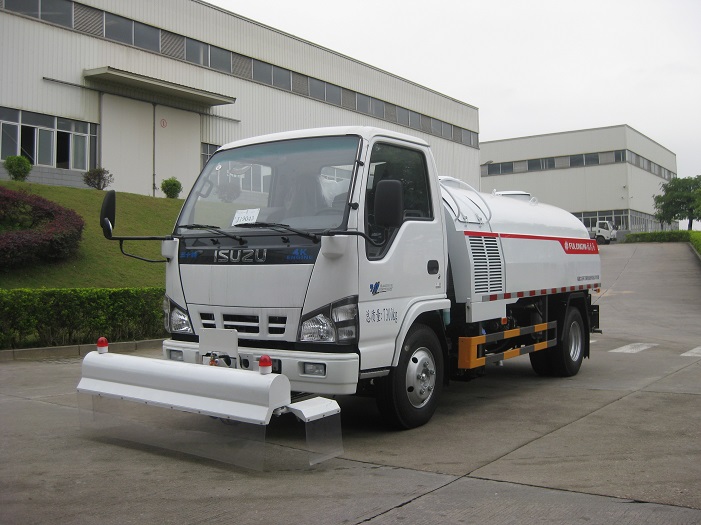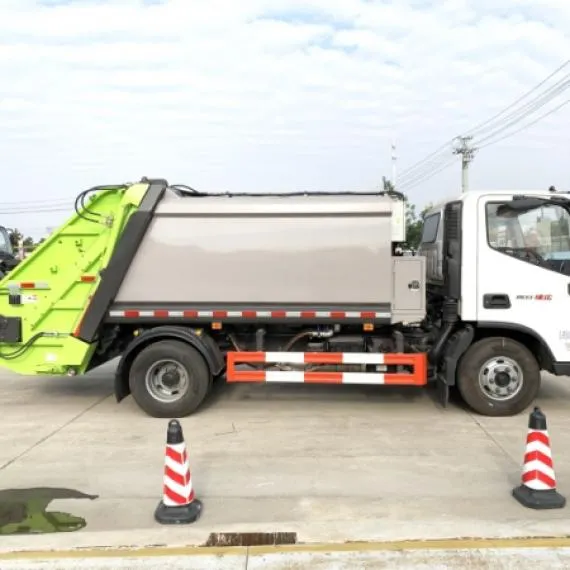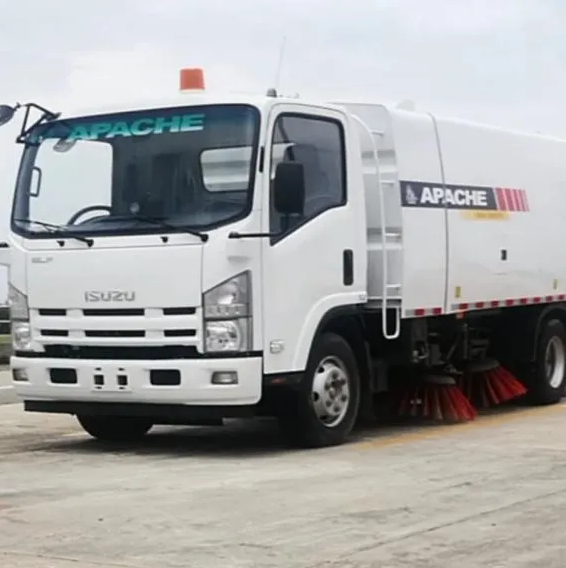
Maintaining a Road Street High Pressure Washer Truck Vehicle is essential for ensuring peak performance, safety, and long-term durability. These specialized vehicles are designed for heavy-duty street cleaning, municipal services, and industrial applications, making regular maintenance a critical part of operations. Partnering with a reliable company like Balfront Industries can help you keep your vehicle in top condition while minimizing downtime and costly repairs.
Understanding Your Road Street High Pressure Washer Truck Vehicle
The Road Street High Pressure Washer Truck Vehicle consists of several key components that work together to deliver high-pressure cleaning performance. Core elements include the water pump, pressure hoses, nozzles, water tank, engine, and chassis. Each part requires proper care to maintain efficiency and reliability. Understanding how these components function and interact allows operators and fleet managers to detect potential issues early and prevent equipment failure. Balfront Industries provides guidance and training to ensure operators know their vehicles inside and out.
Daily Maintenance Checklist
Daily checks are crucial for the smooth operation of a Road Street High Pressure Washer Truck Vehicle. Before operating the vehicle, inspect fluid levels, tire pressure, and the integrity of hoses and connections. Ensure the fuel tank is adequately filled and all controls are functioning correctly. After completing a cleaning operation, flush water lines, clean the pump, and check for leaks or damage. Maintaining a daily log of these checks can help identify recurring issues and enhance overall fleet management. Relying on Balfront Industries for professional advice ensures that all daily maintenance procedures are followed accurately.
Weekly and Monthly Maintenance Tasks
Weekly and monthly inspections provide a more thorough look at your Road Street High Pressure Washer Truck Vehicle. Lubricate moving parts, inspect the engine oil and filter, and examine the hydraulic system for leaks or wear. Electrical systems, lights, and safety equipment should also be checked to maintain compliance and functionality. Balfront Industries offers comprehensive maintenance programs that include these tasks, ensuring that your vehicle remains operational and efficient over time.
Seasonal and Long-Term Maintenance Tips
Seasonal changes can affect the performance of a Road Street High Pressure Washer Truck Vehicle. During rainy seasons, check for rust and corrosion, while winter requires attention to freezing hazards and water line protection. Regular servicing of the pressure pump, tire rotation, brake inspection, and corrosion prevention will extend the life of the vehicle. Balfront Industries provides long-term maintenance solutions tailored to the specific needs of high-pressure washer trucks, keeping them ready for all conditions.
Common Issues and Troubleshooting
Frequent problems with a Road Street High Pressure Washer Truck Vehicle include pump failure, engine overheating, hose leaks, and electrical malfunctions. Operators should monitor performance regularly and address minor issues promptly to avoid costly repairs. Simple troubleshooting measures, such as checking pressure levels, inspecting hoses for cracks, and verifying electrical connections, can prevent downtime. When issues are complex, relying on Balfront Industries ensures that experienced technicians provide proper repairs and replacements.
Safety Practices During Maintenance
Safety is paramount when maintaining a Road Street High Pressure Washer Truck Vehicle. Always use proper personal protective equipment, including gloves, goggles, and protective clothing, to guard against pressurized water and chemicals. Implement lockout/tagout procedures when servicing the vehicle to prevent accidental operation. Following safety guidelines recommended by Balfront Industries ensures that maintenance tasks are performed efficiently and securely.
Hiring Professionals vs. DIY Maintenance
While operators can handle basic maintenance on a Road Street High Pressure Washer Truck Vehicle, certain tasks require professional expertise. Servicing hydraulic systems, repairing pumps, or addressing engine issues should be performed by certified technicians. Partnering with Balfront Industries guarantees access to expert service, proper spare parts, and preventive care that keeps vehicles performing at their best. Professional maintenance saves time, reduces risk, and enhances the overall lifespan of the truck.
Takeaway
Consistent and thorough maintenance of a Road Street High Pressure Washer Truck Vehicle is essential for reliability, safety, and efficiency. From daily inspections to seasonal care, each step helps prevent breakdowns and prolongs the vehicle’s operational life. Collaborating with Balfront Industries ensures that your high-pressure washer trucks receive the expertise, parts, and support needed to remain in top condition. Investing in proper maintenance protects your fleet and ensures optimal performance for years to come.
FAQ
How often should a Road Street High Pressure Washer Truck Vehicle be serviced?
Routine daily, weekly, and monthly checks are recommended, with professional servicing every 6–12 months depending on usage intensity.
What are common signs of pump failure?
Reduced pressure, unusual noises, and leaks in the system are indicators that the pump may require inspection or repair.
Can operators perform maintenance without a mechanic?
Basic maintenance such as checking fluid levels, cleaning hoses, and inspecting tires can be done by operators, but complex repairs should always involve certified technicians.
Why choose Balfront Industries for maintenance?
Balfront Industries offers specialized expertise, quality spare parts, and tailored maintenance programs for Road Street High Pressure Washer Truck Vehicles, ensuring reliability and longer vehicle life.
What safety measures should be followed during maintenance?
Operators should use protective gear, follow lockout/tagout procedures, and adhere to safety protocols to prevent accidents and injuries.