The Importance of Loaders in Modern Construction and Industrial Work
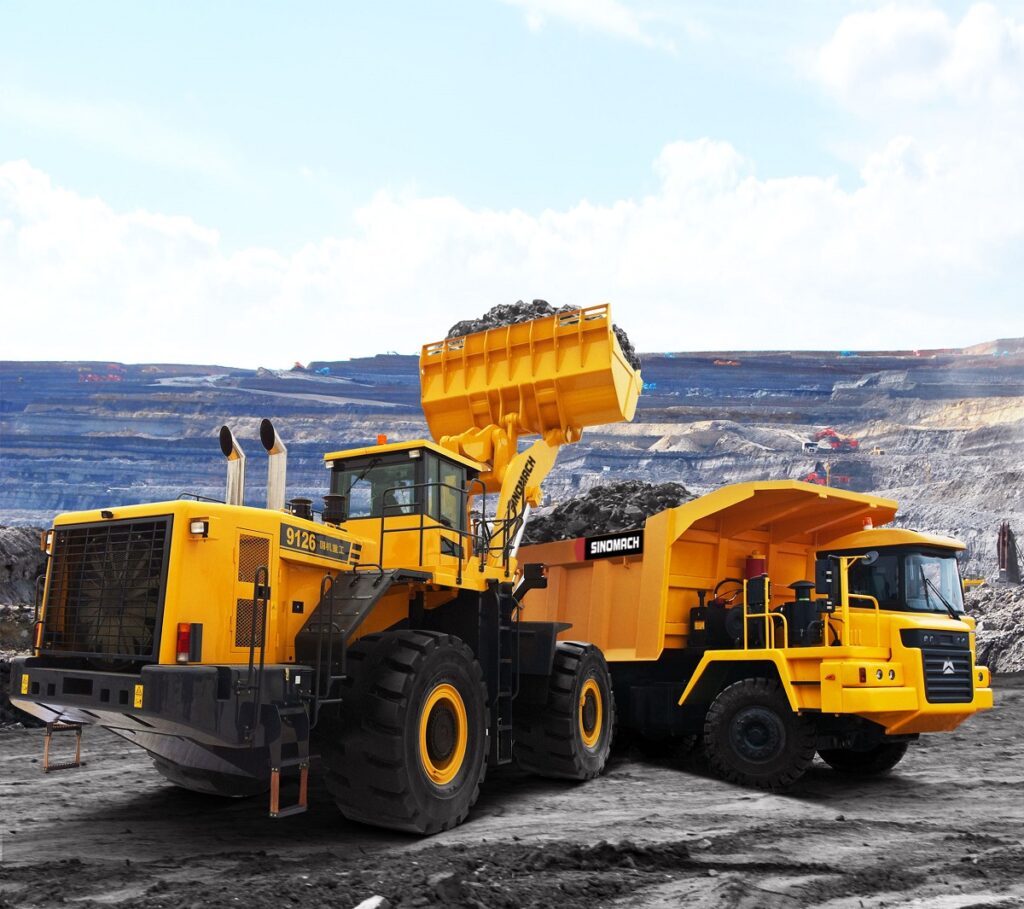
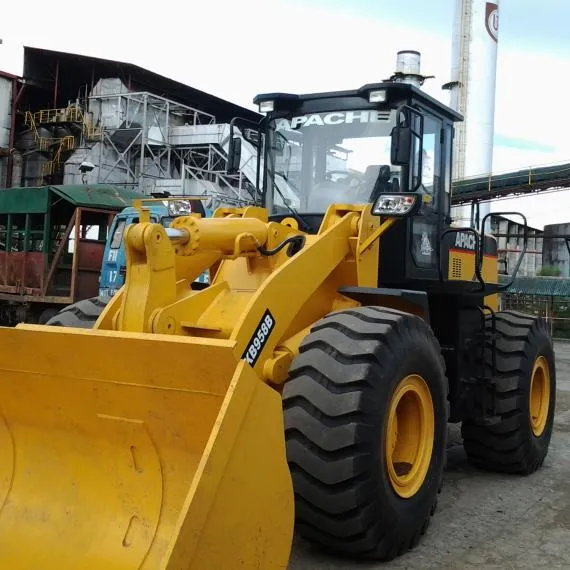
Loaders play a critical role in construction, logistics, and industrial projects by making material handling faster and more efficient. These machines are designed to move heavy loads, clear debris, and transport materials in ways that reduce manual labor. Different types of loaders include wheel loaders, skid steer loaders, backhoe loaders, and compact loaders, each suited for specific applications. Wheel loaders excel in moving large quantities of earth, while skid steer loaders are perfect for confined spaces. Backhoe loaders combine digging and loading capabilities, offering flexibility on job sites. By selecting the right loader type, companies can complete projects faster while reducing labor costs. Loaders also improve safety by minimizing the physical strain on workers. Understanding their capabilities is essential for choosing the right supplier Philippines to ensure smooth project execution.
Why a Reliable Loader Supplier Philippines Is Essential
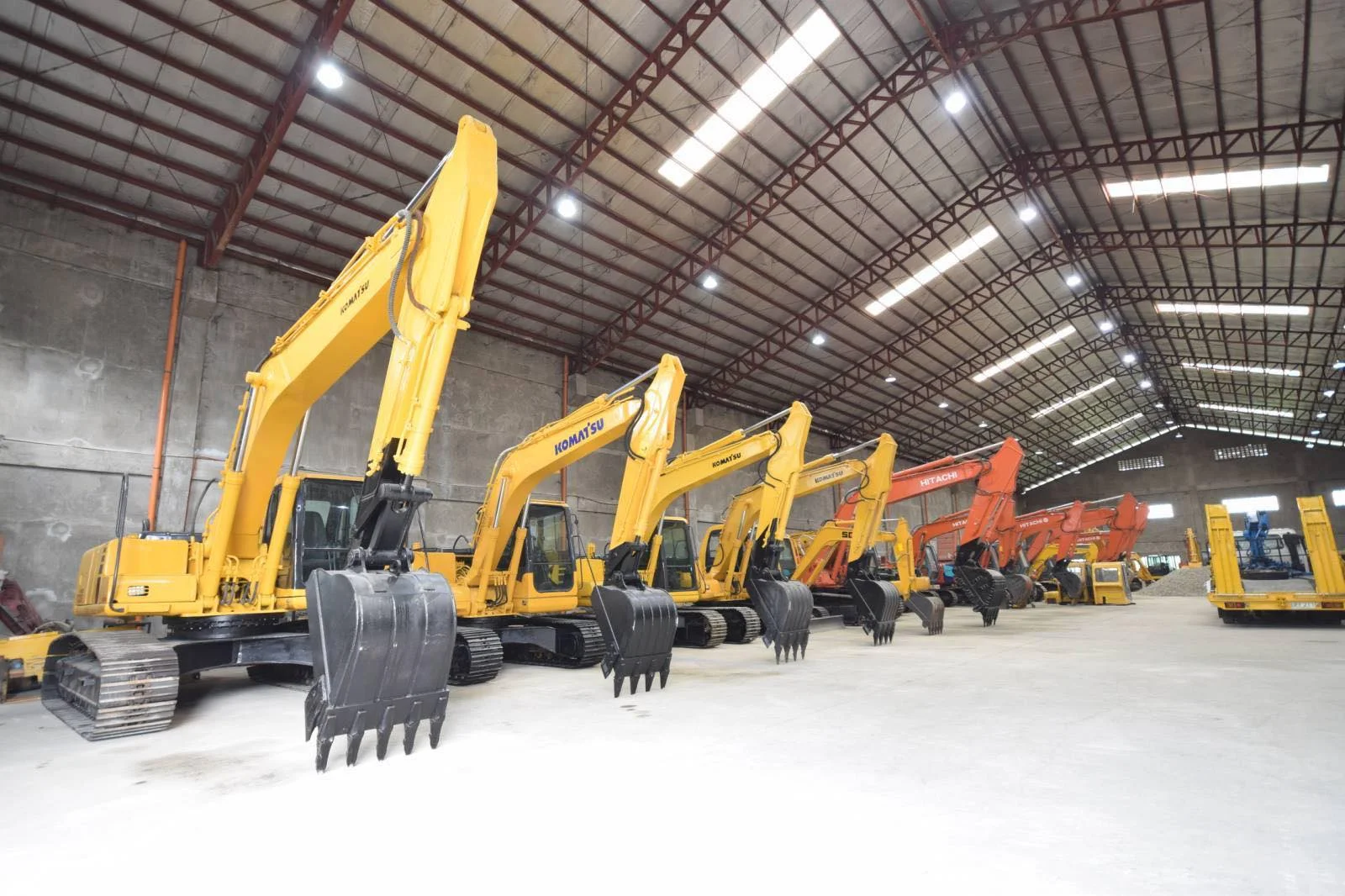
Choosing the right loader supplier Philippines can directly influence project efficiency and overall operational success. A reliable supplier provides not just the machinery, but also maintenance services, spare parts, and expert advice. Timely delivery of equipment ensures that projects stay on schedule without costly delays. Suppliers with proven expertise help businesses select the right machines for their specific needs, avoiding unnecessary expenses on unsuitable equipment. Compliance with Philippine safety and operational standards is critical and is often supported by a trusted supplier. After-sales services, including repair and maintenance, prevent downtime and extend the lifespan of equipment. Working with a dependable loader supplier allows companies to focus on operations without worrying about equipment reliability or technical issues.
Key Qualities of a Top Loader Supplier Philippines
When selecting a loader supplier Philippines, businesses should look for several important qualities to ensure long-term efficiency:
- Wide Range of Equipment – Suppliers should offer multiple loader models to meet different project requirements.
- Expert Consultation – Experienced teams guide customers in choosing machines suited to their needs.
- Flexible Payment and Leasing Options – Helps companies manage costs without compromising on quality.
- Warranty and After-Sales Support – Ensures equipment longevity and uninterrupted operations.
- Operator Training Programs – Improves safety and efficiency on site.
A supplier with these qualities becomes a partner rather than just a vendor, helping businesses optimize operations while minimizing costs and risks. Technical advice and training also empower teams to operate loaders efficiently, enhancing overall productivity.
How to Assess Loader Suppliers Before Making a Decision
Evaluating suppliers before purchase is essential to prevent operational and financial challenges. Begin by reviewing customer feedback and testimonials from other businesses in the Philippines. Inspect product quality and request demonstrations to ensure machinery meets project needs. Compare pricing along with added services, such as maintenance contracts or training programs. Check the availability of spare parts and how responsive the supplier is to inquiries. Visiting operational sites where the supplier’s loaders are in use provides insight into performance reliability. Transparent communication and technical expertise are key indicators of a supplier’s credibility. Choosing a trusted supplier reduces the risk of project delays and ensures smoother long-term operations.
Challenges Faced by Businesses Without Dependable Loader Suppliers
Businesses that rely on unreliable suppliers often encounter several operational difficulties. Equipment downtime can halt projects, leading to financial losses and missed deadlines. Maintenance costs increase when machinery is frequently broken or not properly supported. Poor-quality loaders can create safety hazards, putting operators and workers at risk. Without training and guidance, operators may use machines inefficiently, reducing productivity. Difficulty in sourcing spare parts can extend delays and increase operational costs. Communication gaps with suppliers can result in confusion over orders, service schedules, and equipment availability. Ultimately, these challenges slow project timelines and increase overhead costs, highlighting the importance of choosing a reliable loader supplier Philippines.
Advantages of Partnering with a Reputable Loader Supplier
A trusted loader supplier Philippines offers numerous benefits that can transform operational efficiency. Reliable suppliers deliver the right equipment promptly, keeping projects on schedule. High-quality loaders reduce maintenance needs, lower operational costs, and ensure safer work environments. Suppliers that offer technical support, operator training, and after-sales services empower businesses to maximize machine productivity. Flexible financing or leasing options help manage budgets and make equipment investment easier. Long-term partnerships with dependable suppliers provide insights into emerging machinery trends, enabling businesses to plan future projects effectively. A reliable supplier becomes a strategic ally, allowing companies to focus on completing projects efficiently while minimizing risks.
Emerging Trends in Loaders and Heavy Equipment in the Philippines
The loader and heavy equipment industry in the Philippines is evolving to meet modern project demands. Eco-friendly and fuel-efficient loaders are gaining traction as companies aim to reduce environmental impact and operational costs. Smart technology integration allows real-time monitoring of machine performance, predictive maintenance, and automated functions. Leasing and rental options provide flexibility for companies with temporary or seasonal projects. Operator safety has become a major focus, with enhanced training programs and ergonomic machine designs. Compact and versatile loaders are increasingly preferred for urban projects with limited space. Staying updated on these trends helps businesses make informed decisions when choosing a loader supplier Philippines.
FAQ Section
What is the expected lifespan of a loader in the Philippines?
Loaders typically last 8–12 years for wheel loaders and 5–10 years for compact or skid steer loaders with proper maintenance.
How frequently should loaders be serviced?
Maintenance is recommended every 250–500 hours of operation, depending on the manufacturer’s guidelines, and includes checking hydraulics, engine, tires, and electrical systems.
Are financing options available for loader purchases?
Yes, many loader suppliers Philippines offer installment plans, leasing, or flexible payment options to accommodate various project budgets.
Can suppliers provide training for operators?
Reputable suppliers often provide training programs to ensure safe and efficient operation, reducing accidents and boosting productivity.
How do I select the best loader for my project?
Consider the type of materials, project scale, space constraints, and operational needs. Consulting a trusted supplier Philippines can guide the selection process.
Takeaway
Selecting a trusted loader supplier Philippines is crucial for businesses aiming to enhance efficiency, safety, and long-term operational success. A reliable supplier ensures access to quality machinery, technical support, training, and flexible financing options. Modern trends such as eco-friendly loaders, smart technology, and leasing solutions make it easier to optimize operations. Investing time in choosing the right supplier allows companies to complete projects efficiently, minimize downtime, and reduce operational costs. A dependable supplier transforms from a vendor into a strategic partner, enabling businesses to focus on growth and long-term productivity in the Philippines.