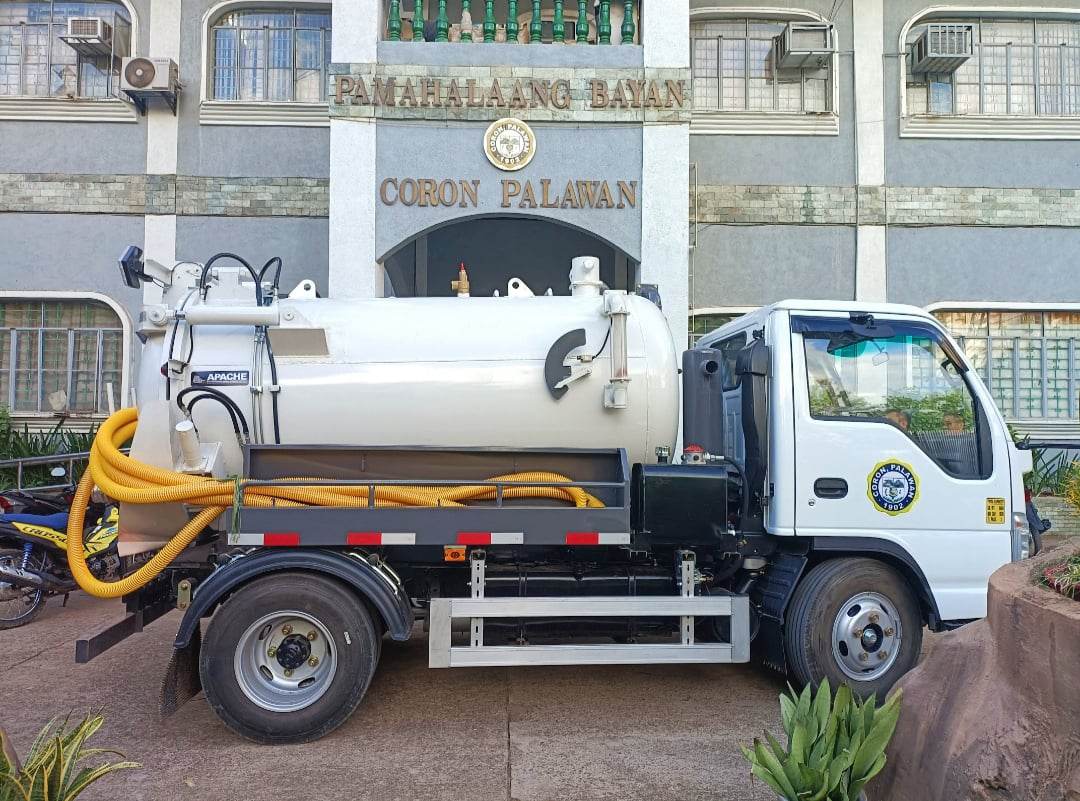
The Philippines’ construction, mining, and infrastructure industries are expanding at a remarkable pace. The demand for high-quality heavy machinery has never been greater, making the role of a reliable heavy equipment supplier Philippines essential. These suppliers provide contractors, project managers, and business owners with access to machinery that is crucial for completing projects efficiently and safely. From excavators and bulldozers to cranes and forklifts, the range of equipment offered is designed to meet the needs of various sectors. Selecting the right supplier involves more than price comparisons—it requires evaluating reliability, service quality, maintenance support, and equipment availability. A trusted supplier ensures timely delivery, technical assistance, and access to modern machinery with the latest technological features. By partnering with the right supplier, companies can optimize operations, reduce downtime, and achieve better project outcomes.
Heavy equipment suppliers in the Philippines bridge the gap between global manufacturers and local businesses. They provide machines that comply with international standards while addressing the unique challenges of the Philippine market, such as regional logistics, weather conditions, and regulatory compliance. Contractors often rely on these suppliers for a full spectrum of services, including operator training, after-sales support, spare parts provision, and financing options. Local suppliers understand regional project demands and provide tailored solutions, while international suppliers may offer cutting-edge technology and advanced machinery models. Businesses that carefully evaluate these options ensure they make decisions aligned with their budget, project requirements, and operational efficiency. A reliable supplier does not only provide machines but also acts as a partner in achieving consistent and safe project delivery.
Types of Heavy Equipment Offered by Suppliers
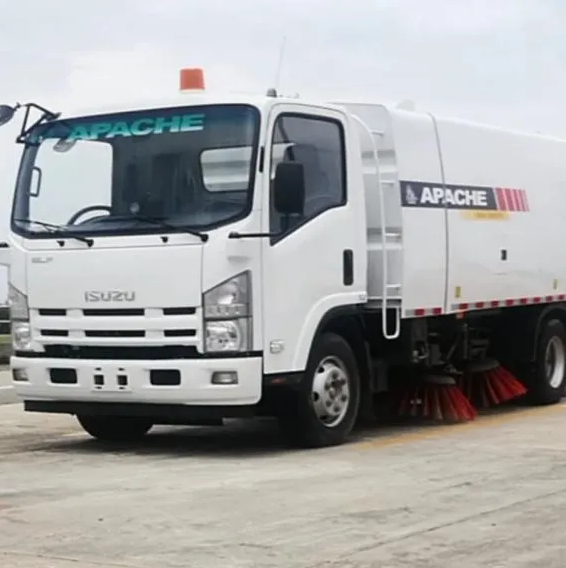
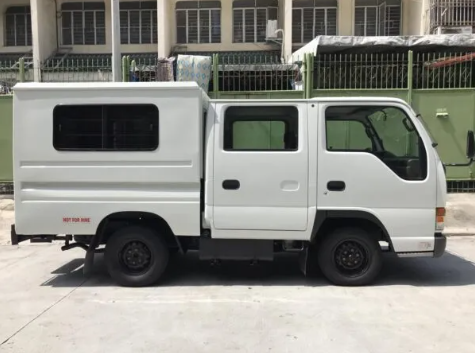
Heavy equipment suppliers Philippines offer a variety of machinery designed for construction, mining, and industrial applications.
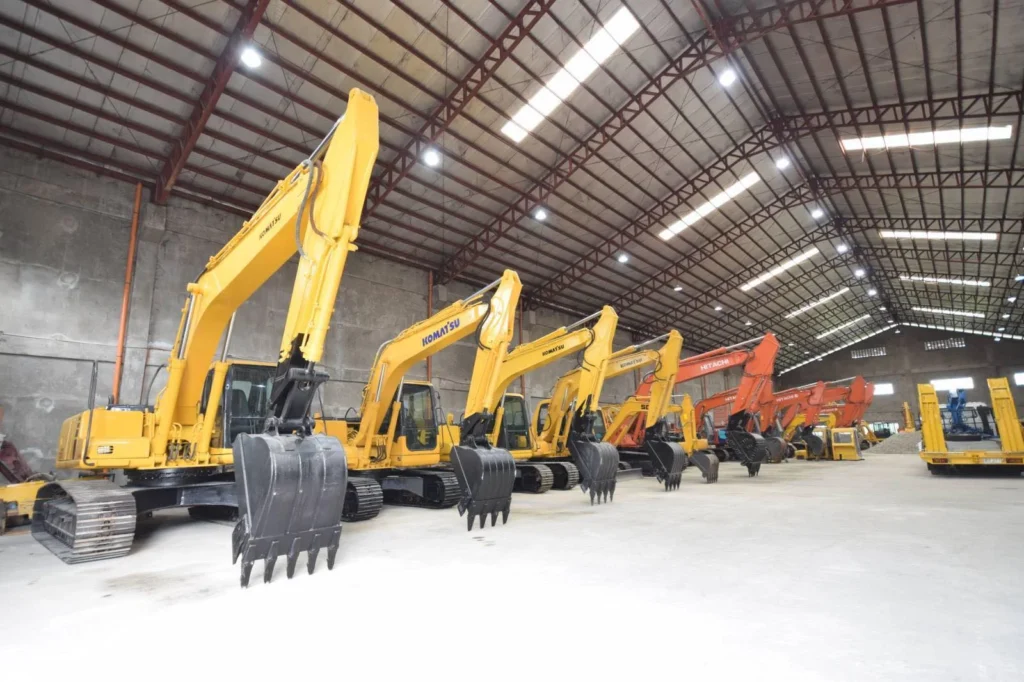
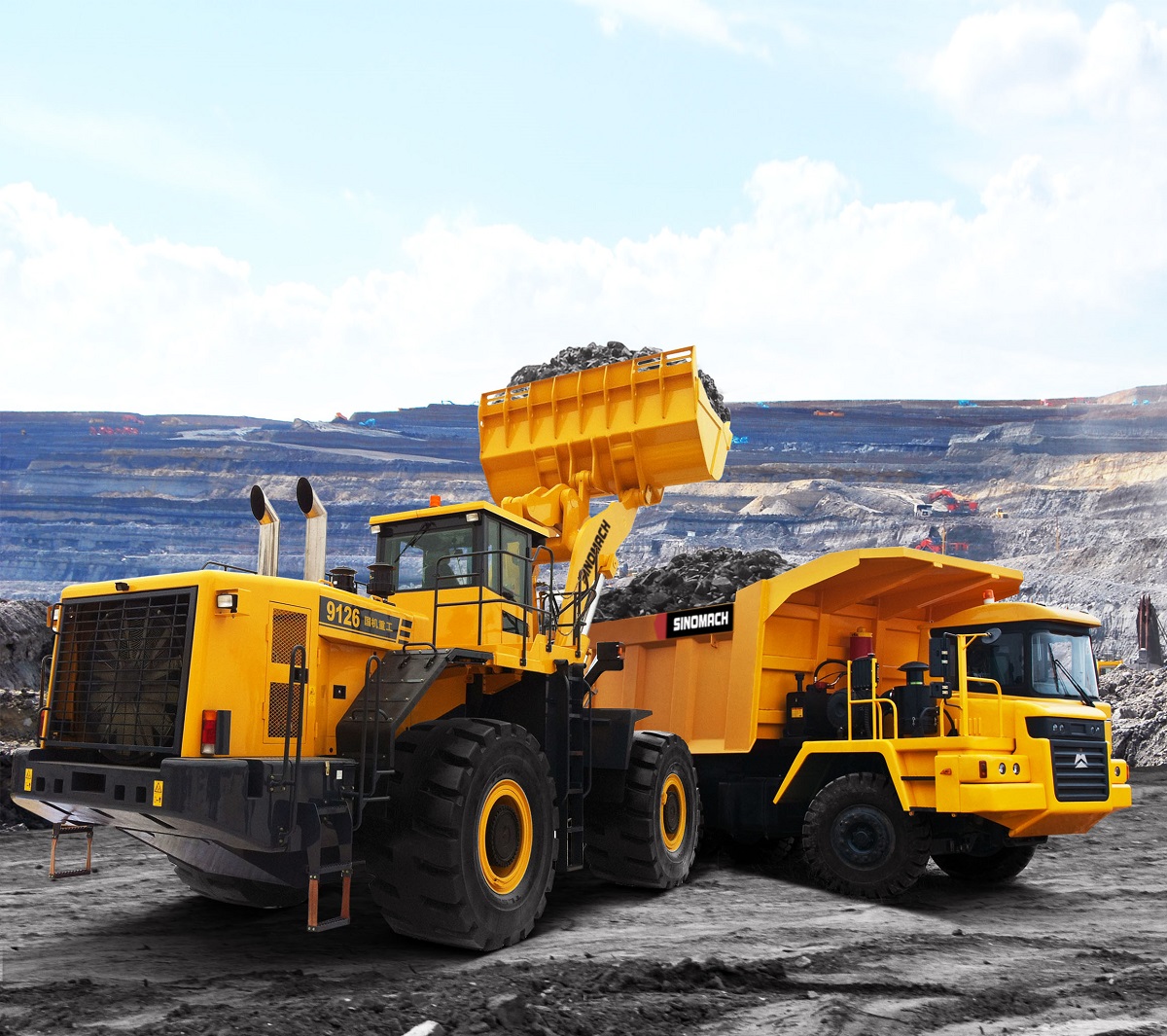
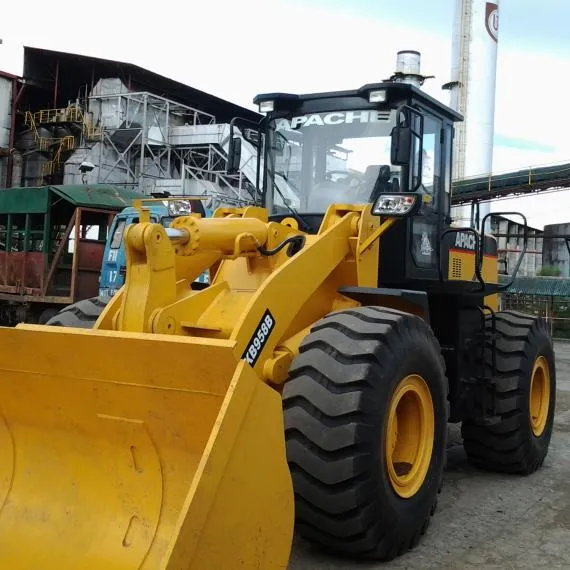
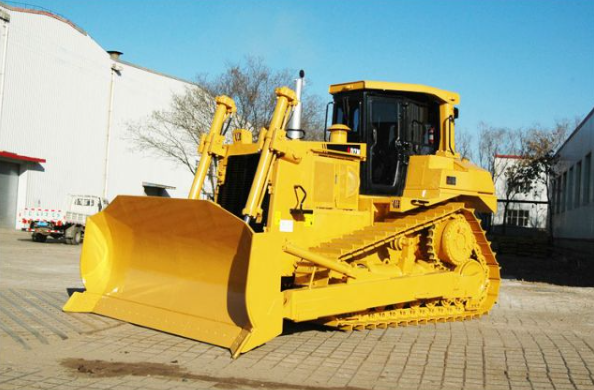
- Earthmoving Equipment: Excavators, bulldozers, backhoes, and loaders used for site preparation, land clearing, and excavation.
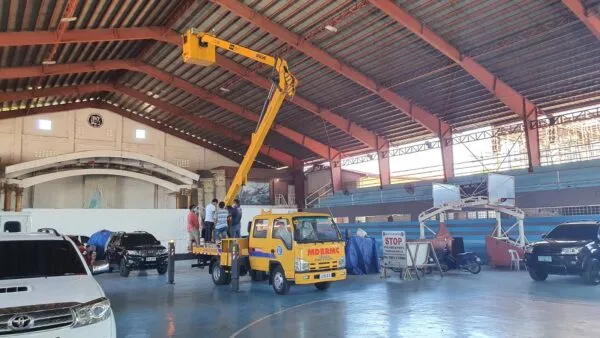
- Material Handling Machinery: Cranes, forklifts, and conveyors that facilitate safe and efficient material movement on-site.
- Road Construction Machinery: Asphalt pavers, compactors, and graders essential for high-quality road and infrastructure projects.
- Specialized Mining and Agriculture Equipment: Machines tailored for resource extraction, material processing, and farm operations.
- Attachments and Accessories: Buckets, hammers, grapples, and other add-ons that enhance equipment functionality.
The availability of different models, sizes, and attachments allows businesses to select equipment suited for both small-scale and large-scale operations. Partnering with suppliers who offer a wide variety ensures that contractors can meet project demands effectively while maintaining efficiency and safety standards.
How to Choose the Right Heavy Equipment Supplier
Choosing the right heavy equipment supplier Philippines requires careful assessment of multiple factors:
- Reputation and Experience: Suppliers with a strong industry presence and positive feedback are more likely to deliver reliable service.
- Brand Partnerships: Working with established machinery brands ensures high-quality equipment and technical support.
- After-Sales Support: Maintenance packages, technical assistance, and operator training reduce operational risks.
- Delivery Logistics: Timely delivery is crucial, especially for projects in remote or challenging locations.
- Cost and Financing Options: Evaluate purchase, lease, or rental options to fit project budgets.
- Local vs. International Suppliers: Local suppliers understand regional challenges, while international suppliers provide cutting-edge technology.
By considering these factors, businesses ensure they select a supplier capable of supporting their operational goals and enhancing project productivity.
Pricing, Financing, and Leasing Solutions
Investing in heavy machinery requires strategic financial planning. Heavy equipment suppliers Philippines offer flexible solutions to make high-value machinery accessible.
- Purchase Financing: Allows companies to acquire machinery while spreading costs over time.
- Lease Options: Ideal for short-term projects or seasonal operations without large capital expenditure.
- Rental Programs: Provides flexibility for temporary project needs and reduces storage costs.
- Bundled Packages: Many suppliers offer equipment with maintenance, training, and technical support included.
- Insurance Coverage: Protects businesses from potential operational risks and damages.
These options ensure contractors can manage expenses while accessing the machinery required to complete projects efficiently. Choosing the right financial plan also improves cash flow and long-term operational sustainability.
Technology and Modern Features in Heavy Equipment
Technological innovation is transforming the heavy equipment industry. Modern machinery offered by suppliers in the Philippines includes advanced features for efficiency and safety.
- GPS Tracking: Enables real-time monitoring of equipment location and usage.
- Telematics Systems: Track performance metrics, fuel consumption, and maintenance needs.
- Automation: Semi-autonomous machines increase precision and reduce operator fatigue.
- Operator Training Programs: Suppliers provide instruction on using advanced technology effectively.
- Enhanced Safety Features: Automated alerts and monitoring systems minimize workplace accidents.
Investing in technologically advanced machinery improves project timelines, reduces costs, and promotes safe and efficient operations. Suppliers who integrate technology into their equipment also provide businesses with a competitive advantage.
Maintenance and Support Services
Regular maintenance is vital to ensure the reliability and longevity of heavy machinery. Heavy equipment suppliers Philippines offer comprehensive support services to minimize downtime.
- Preventive Maintenance Packages: Scheduled servicing prevents unexpected breakdowns.
- Certified Technicians: Qualified professionals handle repairs and inspections efficiently.
- Spare Parts Availability: Access to genuine components reduces operational risks.
- Warranties: Offer reassurance and financial protection for machinery investments.
- Remote Monitoring: Some suppliers provide telematics-based monitoring to identify potential issues early.
Well-maintained equipment ensures projects stay on schedule, reduces repair costs, and extends the operational lifespan of machinery. Businesses benefit from suppliers who emphasize preventive care and technical support.
Environmental and Safety Considerations
Heavy equipment operations must adhere to environmental and safety regulations in the Philippines. Suppliers offer machinery and programs designed to minimize environmental impact and ensure worker safety.
- Regulatory Compliance: Machines meet emission, noise, and safety standards.
- Eco-Friendly Options: Electric and hybrid equipment reduce carbon footprints.
- Operator Training: Safety programs ensure proper handling and reduce accident risks.
- Protective Gear: Suppliers often provide safety equipment for operators.
- Site Supervision: Technical experts may assist in ensuring safe machinery operation.
Integrating sustainability and safety into operations not only protects the environment and workers but also enhances project credibility and compliance.
Supplier Reputation and Client Feedback
A supplier’s reputation in the Philippines reflects their reliability and service quality.
- Industry Experience: Long-standing suppliers have demonstrated consistent performance.
- Customer Reviews: Testimonials provide insight into service reliability and equipment quality.
- Transparent Contracts: Clear agreements minimize misunderstandings and operational risks.
- Brand Recognition: Partnerships with respected machinery brands indicate credibility.
- Networking and Recommendations: Professional associations can guide supplier selection.
Partnering with a reputable supplier ensures businesses have reliable access to high-quality machinery and comprehensive support services, which is crucial for successful project execution.
Frequently Asked Questions (FAQ)
What should I look for in a heavy equipment supplier in the Philippines?
Look for certified technicians, strong industry experience, brand partnerships, and reliable after-sales support.
Can I lease or rent heavy machinery instead of buying?
Yes, suppliers offer flexible lease and rental options suited for short-term projects or seasonal work.
Are maintenance and training services provided by suppliers?
Many suppliers include maintenance packages and operator training to ensure equipment runs safely and efficiently.
What types of machinery are most commonly used in construction projects?
Excavators, bulldozers, cranes, forklifts, and graders are widely used across various project types.
How quickly can suppliers deliver machinery in the Philippines?
Delivery times depend on equipment type, supplier location, and transport logistics, typically ranging from days to weeks.
Are spare parts and warranties available?
Reputable suppliers provide genuine spare parts and warranties for most machinery to ensure operational reliability.
Takeaway
Selecting the right heavy equipment supplier Philippines is critical for operational efficiency, safety, and project success. Suppliers offer more than machinery—they provide financing, maintenance, training, and technological support. Businesses that choose reputable suppliers gain access to modern equipment, reduce downtime, and maintain compliance with safety and environmental regulations. Evaluating supplier reputation, service quality, and equipment technology ensures projects are executed efficiently and sustainably. Partnering with trusted suppliers empowers contractors, project managers, and business owners to achieve timely, cost-effective, and high-quality project results. Reliable heavy equipment suppliers are essential allies in the growth and success of the Philippines’ construction and industrial sectors.