Understanding Auto Transmission Overhaul
An auto transmission overhaul is a comprehensive process that restores your vehicle’s transmission system to near-original performance. Unlike a simple repair that targets only a specific problem, an overhaul involves a detailed inspection, disassembly, cleaning, and replacement of worn or damaged parts. This process is essential for vehicles that have experienced significant wear or developed chronic shifting problems. The transmission is one of the most complex components in a car, responsible for transferring engine power to the wheels. Over time, heat, friction, and neglect can lead to serious internal damage. An overhaul revitalizes the entire system by addressing both visible and hidden issues. When done correctly, it not only improves the way your vehicle drives but also extends its lifespan significantly.
Signs Your Vehicle May Need an Auto Transmission Overhaul
Recognizing early signs of transmission trouble can save you from a complete breakdown or costly replacement. One of the most common symptoms is slipping gears—when your car suddenly changes gears or struggles to stay in one. You may also notice delayed shifting, where the transmission hesitates before engaging. Burning smells, often caused by overheated fluid, indicate that the system is working harder than it should. Grinding noises or clunking sounds while shifting are additional warning signs that internal components may be worn out. Modern cars may trigger a “Check Engine” or transmission warning light, signaling internal issues. If you experience any of these symptoms, it’s best to have your transmission inspected immediately. Ignoring these signs can lead to complete failure and a more expensive fix later on.
The Auto Transmission Overhaul Process Explained Step-by-Step
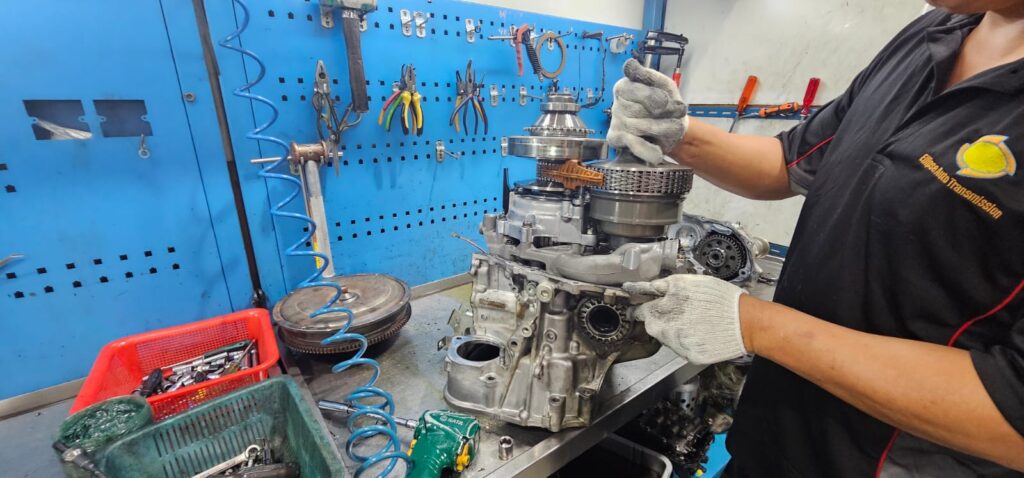
The process of an auto transmission overhaul begins with a thorough inspection. Certified mechanics use diagnostic tools to assess fluid condition, error codes, and overall performance. Once issues are identified, the transmission is removed from the vehicle for a full teardown. Every component is cleaned, measured, and inspected for damage. Worn seals, gaskets, and clutch plates are replaced with new ones to ensure optimal operation. After reassembly, the transmission undergoes rigorous testing on specialized equipment to verify that all gears shift smoothly. Finally, the overhauled transmission is reinstalled, and road-tested to ensure reliability and proper performance. This meticulous process helps guarantee that your transmission performs almost like new.
Comparing Overhaul vs. Repair vs. Replacement
When transmission issues arise, many drivers face a choice between repair, overhaul, or replacement. A repair is suitable for minor issues, such as replacing solenoids or fixing leaks, and is generally the most affordable option. However, it does not address underlying wear. An auto transmission overhaul is ideal for moderate to severe damage because it renews most internal components without replacing the entire unit. On the other hand, replacement involves installing a brand-new or remanufactured transmission, which is typically more expensive.
Here’s a quick breakdown of the differences:
- Repair: Fixes specific problems only
- Overhaul: Restores internal components and function
- Replacement: Installs an entirely new or rebuilt system
The decision often depends on your car’s age, mileage, and the extent of the damage. For many drivers, an overhaul strikes the perfect balance between cost and long-term reliability.
Benefits of a Proper Auto Transmission Overhaul
A well-executed overhaul offers several long-term benefits that make it a smart investment. The most noticeable improvement is smoother shifting and restored power delivery. Drivers often report a significant boost in performance and reduced lag when accelerating. A rebuilt transmission can also enhance fuel efficiency since the system no longer struggles to transfer power. By replacing worn-out components, an overhaul extends the overall lifespan of the vehicle and reduces the likelihood of future breakdowns. Another advantage is lower long-term maintenance costs, as the transmission operates more efficiently. Moreover, vehicles with a properly maintained transmission tend to have higher resale value because buyers view them as well cared for.
Common Myths About Auto Transmission Overhauls
Many misconceptions surround the idea of an overhaul. Some drivers believe that it’s always cheaper to replace the transmission, but in reality, an overhaul can save thousands of dollars while delivering comparable performance. Another myth is that a rebuilt transmission never performs like a factory-installed one. The truth is that with professional service and high-quality parts, a properly rebuilt transmission can meet or even exceed original performance standards. Some people also assume that frequent fluid changes alone can prevent all transmission problems, but while fluid maintenance is vital, it cannot fix mechanical wear. Understanding these myths helps drivers make better, more informed decisions about their vehicle’s health.
Factors That Affect the Cost of an Auto Transmission Overhaul
The cost of an overhaul can vary widely depending on several key factors. Vehicle make and model play a major role—luxury or imported cars usually require more expensive parts. The extent of internal damage also affects pricing, as severely worn components increase labor and parts costs. Another factor is the type of transmission; automatic systems are generally more complex and costly to rebuild than manual ones. Labor rates differ by region, and certified shops may charge more for their expertise but offer better reliability.
Key factors influencing cost include:
- Vehicle type and model
- Extent of wear or damage
- Labor rates and shop expertise
- Parts availability and quality
- Warranty options offered by the service center
While cost may seem high upfront, an overhaul often proves more economical than replacement in the long run, especially for well-maintained vehicles.
Maintenance Tips to Extend the Life of Your Transmission After an Overhaul
Once your transmission has been overhauled, proper maintenance becomes essential for longevity. Regularly checking and changing transmission fluid helps prevent overheating and internal wear. Always use the manufacturer-recommended fluid type for best results. Driving habits also play a significant role—avoid aggressive acceleration, excessive towing, or abrupt stops. Schedule periodic inspections to catch small issues before they escalate. Modern vehicles with computerized transmissions may also benefit from software updates that improve performance. Keeping your transmission cool, clean, and properly serviced ensures it continues to operate smoothly for years.
Choosing the Right Shop for Your Auto Transmission Overhaul
Selecting the right repair shop is just as important as the overhaul itself. Look for a facility that specializes in transmission services and employs certified technicians. Experience with your vehicle’s make and model can make a big difference in quality. Always ask for a detailed estimate before authorizing work, and inquire about warranty coverage for parts and labor. A reputable shop will communicate clearly, use genuine or high-quality parts, and provide updates throughout the process.
When evaluating a shop, consider:
- Certification and experience level
- Customer reviews and reputation
- Warranty length and coverage
- Transparency about costs and timelines
- Availability of post-service support
Avoid shops that rush diagnoses or offer unusually low prices without clear explanations. Trust and transparency are key indicators of a professional service provider.
Frequently Asked Questions (FAQ)
How long does an auto transmission overhaul usually take?
Most overhauls take between three to five days, depending on the extent of damage and parts availability.
Is an overhaul better than buying a used transmission?
Yes, because an overhaul rebuilds your existing unit with new parts, ensuring compatibility and reliability. Used transmissions can have unknown wear and limited warranties.
How can I tell if my transmission needs a rebuild or full replacement?
A mechanic can determine this after a detailed inspection. Minor damage may only require an overhaul, while severe cases may need replacement.
What’s the average lifespan after a successful overhaul?
With proper care, a rebuilt transmission can last 100,000 miles or more.
Can I drive my car if I suspect transmission issues?
It’s not advisable. Driving with a failing transmission can worsen the damage and increase repair costs.
Takeaway
An auto transmission overhaul is more than just a repair—it’s a complete restoration of one of your vehicle’s most vital systems. By understanding the process, recognizing the warning signs, and choosing the right professionals, you can extend your car’s life, enhance performance, and save money over time. Regular maintenance, smart driving habits, and timely inspections ensure that your overhauled transmission continues to perform at its best for many years to come.