Understanding the Role of a Gearbox Specialist
A gearbox specialist is the unseen hero behind every vehicle that runs smoothly on the road. While many car owners are familiar with mechanics who handle general automotive repairs, gearbox specialists focus on one of the most critical and complex components—the gearbox. This system is responsible for transferring power from the engine to the wheels, ensuring your car operates efficiently across different speeds. When this system malfunctions, it can affect acceleration, fuel efficiency, and even safety. A gearbox specialist possesses in-depth knowledge, specialized tools, and years of hands-on experience to diagnose and repair issues that ordinary mechanics may overlook. They understand the intricate relationship between gears, shafts, and bearings, and how even minor misalignment can lead to major transmission failures. Entrusting your vehicle to a gearbox specialist means securing the performance and longevity of your entire transmission system.
The Science Behind Gearbox Systems
A gearbox isn’t just a collection of gears; it’s a finely tuned mechanical system that converts power efficiently. Both manual and automatic gearboxes operate differently but share one goal—optimizing torque and speed for smooth driving. In a manual gearbox, the driver selects gears manually, while an automatic gearbox shifts gears through hydraulic and electronic controls. Understanding the function of gear ratios, synchronizers, and torque converters is essential for any gearbox specialist. They also recognize how transmission fluids play a vital role in cooling and lubrication, preventing metal components from wearing out prematurely. Every detail matters because the slightest friction or imbalance can create noise, vibration, or total system failure. When maintained by an experienced gearbox specialist, your transmission system stays in top shape, ensuring better acceleration, quieter rides, and improved fuel economy.
Common Gearbox Problems and How Specialists Diagnose Them
Even the most advanced vehicles are not immune to gearbox problems. Gear slipping, fluid leaks, delayed shifting, and grinding noises are some of the common signs that your gearbox needs professional care. A gearbox specialist uses advanced diagnostic tools to identify internal issues accurately. Unlike general mechanics, they rely on specialized equipment such as transmission scanners, hydraulic pressure gauges, and stethoscopes to detect unusual vibrations or noise. Here are some of the most frequent gearbox concerns:
- Slipping gears due to worn clutch plates or damaged seals
- Delayed shifting caused by low or contaminated transmission fluid
- Grinding or knocking sounds from damaged bearings
- Transmission overheating from poor lubrication or excessive friction
- Warning lights triggered by electronic transmission control issues
Once diagnosed, a gearbox specialist provides a detailed analysis of the damage and recommends the most effective repair or replacement solutions. This precise and methodical approach helps prevent costly breakdowns and ensures that your gearbox runs smoothly for years.
The Gearbox Repair and Overhaul Process
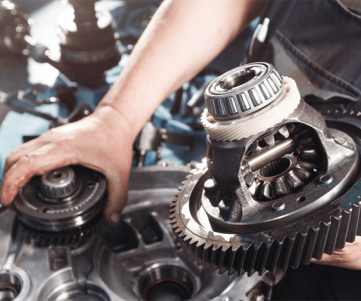
When a gearbox needs more than minor repairs, a gearbox specialist conducts a detailed inspection and overhaul process. The first step involves disassembling the gearbox and cleaning every internal part to remove old oil and debris. Each component—gears, shafts, bearings, and seals—is then carefully examined for wear or damage. If parts need replacement, the specialist uses OEM or high-quality alternatives to maintain performance standards. The difference between repair, rebuild, and overhaul lies in the depth of the work done. Repairs address specific problems like leaks or gear replacement, while an overhaul involves completely restoring the gearbox to its optimal state. After reassembly, the gearbox is thoroughly tested for functionality, ensuring smooth shifting and proper torque transfer. This meticulous process highlights why gearbox specialists are essential—they don’t just fix problems; they restore performance and extend your vehicle’s lifespan.
Why You Should Trust a Certified Gearbox Specialist
Not all repair shops are created equal. Certified gearbox specialists undergo extensive training and certification to ensure they meet industry standards. Their credentials prove they are qualified to handle intricate gearbox systems that require accuracy and precision. Experience is also a key factor; specialists with years in the field can quickly identify problems that might take others hours to find. A certified gearbox specialist prioritizes the use of genuine parts and approved lubricants to guarantee long-term reliability. They maintain up-to-date knowledge about evolving transmission technologies, from traditional manuals to dual-clutch and continuously variable transmissions (CVT). When choosing a specialist, always look for certifications, customer reviews, and service warranties. This ensures you’re entrusting your vehicle to a true expert dedicated to performance and safety.
Preventive Maintenance Tips from Gearbox Experts
Preventive maintenance is the secret to keeping your gearbox in excellent condition. A gearbox specialist often advises regular transmission fluid checks to maintain proper lubrication. Dirty or low fluid can lead to overheating and damage to metal components. Driving habits also play a crucial role—sudden acceleration, excessive towing, or neglecting regular service intervals can shorten gearbox life. Here are some maintenance tips from professionals:
- Check transmission fluid levels monthly and replace when necessary
- Avoid harsh driving or rapid gear shifts
- Schedule professional inspections at least once a year
- Listen for any unusual noises during gear changes
- Address minor leaks immediately to prevent further damage
Following these expert tips not only extends gearbox life but also enhances your vehicle’s overall performance and safety. With consistent care and expert advice, costly repairs can be avoided, saving you time and money in the long run.
Choosing the Right Gearbox Specialist for Your Vehicle
Selecting the right gearbox specialist is just as important as getting the repair itself. Look for a service center that specializes specifically in gearbox and transmission work rather than general auto repairs. Transparency is key—professionals should be willing to explain the issue, present repair options, and provide an accurate cost estimate upfront. Before committing, ask essential questions such as:
- Are you certified or factory-trained to service my vehicle’s gearbox?
- Do you provide a warranty on parts and labor?
- What diagnostic equipment do you use?
- Can I see the replaced parts after repair?
Reputable gearbox specialists take pride in their craftsmanship and offer warranties that reflect their confidence in their work. Reading customer feedback also helps in assessing reliability and service quality. Choosing wisely ensures that your gearbox is handled with precision, resulting in a smoother and safer driving experience.
The Future of Gearbox Technology and Specialist Services
As vehicle technology advances, gearbox specialists continue to evolve alongside it. Modern gearboxes are now more efficient, compact, and computer-controlled, requiring advanced skills and specialized training. Electric and hybrid vehicles have also introduced new types of transmission systems that differ from conventional models. Dual-clutch and CVT technologies demand exact calibration and software updates, which only trained specialists can perform. With the growing emphasis on sustainability and performance, gearbox specialists are also embracing diagnostic AI tools and predictive maintenance systems. This progress ensures they stay ahead of potential issues and deliver faster, more accurate service. The future of gearbox repair lies in innovation, where mechanical expertise meets digital precision. Drivers can expect longer-lasting, energy-efficient gearboxes thanks to the specialists dedicated to mastering this ever-evolving field.
Frequently Asked Questions (FAQ)
1. How often should a gearbox be serviced by a specialist?
Most vehicles benefit from a gearbox service every 30,000 to 60,000 miles, depending on usage and manufacturer recommendations. Regular service ensures optimal performance and prevents costly damage.
2. What’s the difference between a gearbox repair and a gearbox rebuild?
A repair focuses on fixing specific faults, while a rebuild involves disassembling the gearbox, replacing worn parts, and restoring it to like-new condition.
3. Can a gearbox specialist improve my car’s fuel efficiency?
Yes. A properly serviced gearbox ensures smoother gear shifts and reduces engine strain, leading to improved fuel efficiency.
4. How do I know if my gearbox problem is serious?
If you experience slipping gears, delayed response, fluid leaks, or strange noises, your gearbox needs immediate attention from a specialist.
5. Is it safe to drive with minor gearbox issues before seeing a specialist?
It’s not recommended. Even small issues can worsen quickly and cause significant damage, leading to higher repair costs.
Takeaway
A gearbox specialist is more than just a mechanic—they are precision experts dedicated to preserving your vehicle’s performance and safety. Their deep understanding of mechanical systems and commitment to quality ensures that every gear change feels seamless. By trusting a certified gearbox specialist, you safeguard your car from unnecessary wear, extend its lifespan, and enjoy smoother drives every day. Whether for routine maintenance, repair, or complete overhaul, having a gearbox expert on your side means peace of mind and dependable road performance for miles to come.